

Answer engine optimization, or AEO, is the practice of making your content easy for AI answer engines to understand, trust and cite when people ask questions. It sits between traditional search and AI powered search, where systems like ChatGPT, Google AI Overviews, Perplexity and Copilot turn user queries into AI generated responses, AI generated summaries and direct answers.
The practical goal is AI visibility. Instead of fighting only for blue-link search listings, you want your content to appear inside the answer itself. That means answer engine optimization AEO is not only about rankings. It is about whether your brand appears, whether your content appears and whether AI platforms treat your page as a trustworthy source.
What is answer engine optimization?
Answer engine optimization is content and technical work that improves how often your content appears in AI generated responses, AI summaries and cited answer boxes. In traditional search, people compare search results and search engine results pages. In AI driven search, AI powered answer engines often compress that journey into one comprehensive answer.
These systems work with natural language, large language models and ranking systems that evaluate web pages before deciding which sources to cite or summarize. In practice, that means your copy has to be clear enough for natural language processing, concise enough for AI models to reuse and structured enough for AI engines and ai crawlers to parse.
That change is already visible across major products. ChatGPT search says it gives users fast, timely answers with links to relevant web sources. Google AI Overviews are built to help people find information and discover relevant sites across the web. Copilot Search says it delivers clear answers at the top of the results and shows the sources used to generate them. Perplexity positions its product around live web answers with clear sources as well.
So AEO is not a separate universe from SEO. It is the next layer on top of search, where people search with questions and expect a definitive answer instead of a list of links.
Why answer engine optimization matters now
AEO matters because user behavior is shifting toward conversational interfaces. More people ask generative AI tools for a direct answer first, then decide whether to visit the cited source. When that happens, your digital visibility depends on more than a position in Google searches.
For publishers and brands, the real change is this: AI visibility now shapes discovery, brand mentions and downstream organic traffic. If your page is the clearest source on a question, an answer engine can surface your ideas before a visitor lands on your site. If your content is vague or weakly structured, the model can skip it even when the topic is relevant.
That shift also changes how we think about referral value. AI referral traffic matters, but it is only one part of the picture. Many readers will see a brand mention or a cited answer, then come back later through search results, direct visits or another query.
The pages that win in AI powered search usually do four things well:
- They answer the question early with concise answers.
- They make the topic and target audience obvious.
- They support claims with sources or original expertise.
- They give the system clean structure it can reuse.
In other words, AEO rewards content that is useful when a machine reads it first and a person reads it second.
AEO vs. SEO: what changes and what stays the same
The key differences between SEO and AEO are about output, not fundamentals. SEO still gives you the solid SEO foundation you need for crawling, indexing, internal linking, keyword research and Google rankings. AEO adds a second layer focused on user intent, concise answers, answer formatting and citation-worthiness.
This comparison makes the key differences easier to scan.
| Area | Traditional SEO | AEO |
|---|---|---|
| Main goal | Earn visibility in search engine results | Earn inclusion, summaries and citations in AI answers |
| Query style | Keywords and topic clusters | User queries, follow-ups and conversational prompts |
| Best page shape | Strong page for search engine results pages | Strong page that also delivers a definitive answer fast |
| Core optimization lens | Relevance, authority and technical SEO | Relevance, authority, structuring content and extractive clarity |
| Main success metrics | Rankings, clicks and organic traffic | AI visibility, brand mentions, citations and AI referral traffic |
What stays the same matters just as much. Google still rewards people-first content. Authority still matters. Existing content still needs maintenance. AEO works best when it grows out of a strong SEO base, not when it tries to replace it.
What changes is the packaging. Pages built for AEO make the answer obvious, understand user intent earlier and reduce friction for the system that has to summarize the page. That means headings need to stand alone, paragraphs need to stay tight and important claims cannot hide behind a long intro.
How to optimize content for answer engines
A strong AEO strategy makes your page easier to read, easier to cite and easier to trust.
Write answer-first sections
Start each section with the direct answer. If the heading asks what something is, define it in the first sentence. If it asks how to do something, give the short process first and then expand.
This matters because AI answer engines look for passages they can lift into a concise answer or fold into AI generated summaries. Long scene-setting intros make that harder. Concise answers, short paragraphs and clear transitions make it easier.
Bullet points also help when they compress a process without losing meaning. Use them when they clarify a decision, not just to decorate the page.
Make entities and context explicit
Do not assume the system will infer your meaning. State the full term before the acronym. Name the platform, the use case and the target audience clearly. If you want a brand appears signal, the brand has to be easy to identify in context.
For this topic, that means naming ChatGPT search, Google AI Overviews, Perplexity and Copilot Search instead of saying AI tools over and over. It also means telling the reader how AEO affects web pages, search listings and the way content appears across AI platforms.
A clear page also helps AI models separate the core claim from supporting detail. When the entity, action and outcome sit close together, natural language processing has less guesswork to do.
Strengthen trust with structure and source signals
Answer engines need a reason to trust your page. Google?s guidance on helpful content says its systems prioritize helpful, reliable information created to benefit people. If your content feels generic, derivative or purely written to rank, it is weaker for both SEO and AEO.
That means you should:
- show who wrote the content when authorship matters
- support factual claims with credible sources
- refresh existing content before facts go stale
- add original examples where you have them
- use bullet points, tables and headings only when they improve comprehension
Technical signals support that editorial work. Schema markup and structured data do not guarantee AI visibility, but they help search systems understand what your page is about and what each section means. In plain English, markup tells search engines more clearly how your content is organized.
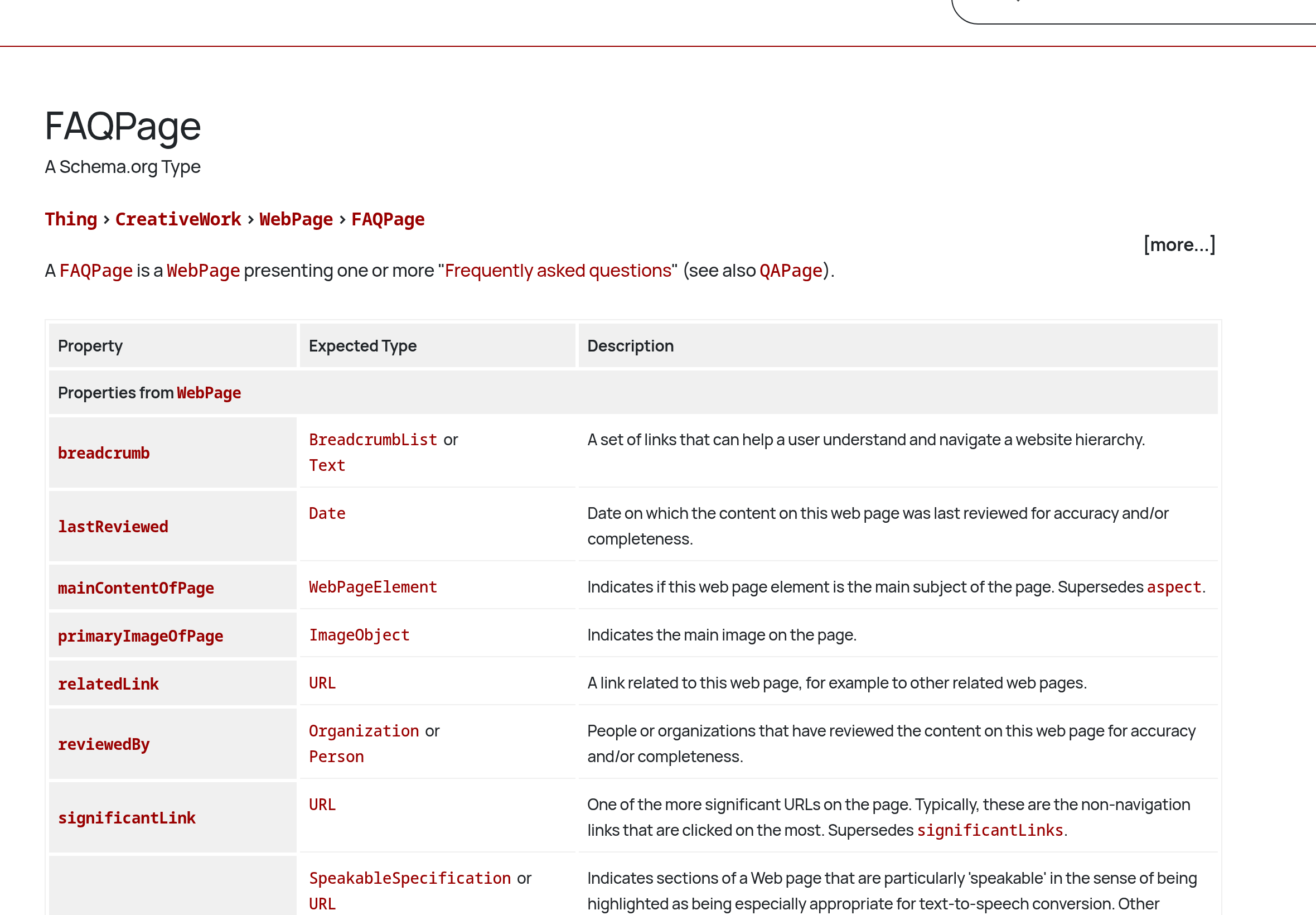
OpenAI?s publisher FAQ says public websites can be discovered, surfaced, clearly cited and linked in ChatGPT search when OAI-SearchBot can access the content. Google?s structured data documentation says structured data helps Google understand page content. Google?s robots meta documentation also says snippet controls affect AI Overviews and AI Mode. So the technical layer still matters, especially when you want both search engine results and AI powered answer engines to use the same page safely.
Align pages with user intent
AEO works best when the page solves the exact question the reader is asking. That sounds obvious, but many pages still chase a keyword and miss the real user intent.
A good page does three things here. It understands user intent, gives the shortest useful answer first and then expands with enough detail to become a comprehensive answer. That is why strong AEO often looks simple on the surface. The simplicity is the result of tight structure, not shallow thinking.
This is also where technical SEO and editorial judgment meet. If you know the query, the audience and the decision stage, you can choose whether the right output is a short definition, a comparison, a how-to sequence or a featured snippet style answer block.
How do you measure answer engine optimization?
You measure AEO by checking whether your brand appears, whether your content appears and whether those appearances drive useful outcomes. Rankings still matter, but they are only one part of the measurement stack.
Start with recurring prompt tests. Ask the same question in several systems and record whether your brand appears, which citation the model uses and how the answer is framed. Then compare that with what you see in Google Search Console, your analytics stack and your broader organic traffic trends.
Next, define success metrics that match the way AI search actually works. Useful success metrics include citation frequency, answer inclusion, assisted visits, brand mentions and page-level reuse patterns. Success metrics rankings alone are too narrow because a page can influence visibility without owning the click.
Traffic analysis still matters, but it needs context. OpenAI says ChatGPT referrals can be tracked with utm_source=chatgpt.com, which gives you one clean view of AI referral traffic. At the same time, there is no single average AI search visitor benchmark that works across all AI engines, because models, prompts and attribution paths vary too much.
A practical measurement stack usually includes:
- prompt testing for core questions
- citation checks across AI platforms
- Google Search Console and analytics reviews
- reviews of which sections are reused most often
- comparison of brand mentions against direct visits and organic traffic
Does answer engine optimization replace SEO?
No, answer engine optimization does not replace SEO. It builds on it.
If your page cannot be discovered, crawled or understood, it is unlikely to perform well in AI driven search either. AEO works best when you already have a solid SEO foundation, a useful content library and pages that can compete in search engine results.
The strongest teams treat SEO and AEO as one system with two outputs. One output helps pages rank in traditional search. The other helps those same pages earn inclusion in AI generated responses, AI generated summaries and cited answer flows.
Final take
Answer engine optimization is not a trick for gaming generative AI. It is a publishing discipline built around clarity, trust and structure.
If we want stronger AI visibility, we need pages that match user intent, speak in natural language, support claims with evidence and package the answer so both people and machines can use it. That is the heart of a durable AEO strategy.
