

Engaging content is the foundation of any successful content strategy. It drives website traffic, builds brand loyalty, and turns passive readers into active participants. This guide breaks down what engaging content is, why it matters, which formats work best, and exactly how to create and measure it — with real examples from the SaaS blogs doing it best.
What Is Engaging Content?
Engaging content is any material — an article, video, social post, or infographic — that grabs your audience’s attention, holds their interest, and moves them to take action. It stops people from scrolling and sparks a response: a like, a share, a comment, or a click.
Most engaging content shares five characteristics:
- Audience relevance: It speaks directly to your viewers’ specific interests, problems, or goals.
- Authentic storytelling: Personal anecdotes, humor, or genuine narratives create real human connection.
- Clear value: Whether it teaches, entertains, or offers a fresh perspective, the reader leaves better off.
- Scannability: Bullet points, short paragraphs, and visual breaks make the content easy to consume quickly.
- A call to action: A clear next step invites readers to participate, subscribe, or share.
Why Is Engaging Content Important?
Engaging content transforms passive scrollers into active participants. Brands that consistently publish content readers care about see measurable business results. The core benefits break down into four areas.
It improves your SEO and visibility
Algorithms on Google and social platforms favor content users interact with. Long time-on-page, low bounce rate, and social shares all signal quality to search engines. Engaging content earns more visibility without additional ad spend.
It builds brand loyalty
Audiences that feel understood by a brand return repeatedly. When content resonates emotionally, it builds the kind of trust that turns first-time visitors into loyal followers who advocate for your brand.
It drives higher conversions
An engaged reader is already invested in what you have to say. That investment lowers the barrier between interest and action. Whether the goal is a newsletter signup, a product purchase, or a resource download, engaged readers convert at higher rates.
It gives you actionable audience insights
Every comment, share, and scroll-depth reading is data. Tracking how people interact with your content tells you which topics matter most, which lets you improve your strategy based on actual behavior instead of guesswork.
Types of Engaging Content
Choosing the right format for your audience matters as much as the content itself. The main types:
- Blog posts and long-form articles: In-depth written content that answers questions, educates readers, and ranks in search over time.
- Videos: Shareable content combining visuals, audio, and storytelling. Short-form video generates particularly strong engagement on social platforms.
- Infographics: Data and processes presented visually. Easy to scan and frequently shared because they compress information into a readable format.
- Interactive content: Polls, quizzes, calculators, and assessments that require participation and deliver personalized results.
- Social media posts: Short, attention-grabbing content built for a specific platform. Timing, format, and tone all need to match the channel.
How to Create Engaging Content
Creating engaging content starts with knowing your audience. Every other technique — headlines, visuals, CTAs — only works once that foundation is in place. Here are the techniques that matter most, illustrated with real examples from SaaS blogs.
Understand your audience’s needs and interests
Content that does not connect with its readers fails, regardless of production quality. Use surveys, social media comments, and website analytics to learn what your audience is actually looking for. The more specific your understanding, the easier it becomes to write content they find genuinely useful.
Real example: Kit (formerly ConvertKit) positions its entire blog around one sentence: “How-tos and real examples for creators building valuable business.” Every article features a real creator — name, face, company — and addresses the specific problems that creator community faces. The blog doesn’t talk to “marketers in general.” It talks to newsletter creators, course builders, and independent educators. That precision is why their content earns loyalty rather than just traffic.

Write compelling headlines
Your headline decides whether someone reads the rest. Numbers, questions, and strong action verbs all improve click-through rates. You have three to five seconds to grab attention in a feed, so the headline carries real weight. Vague titles lose readers before the article even starts.
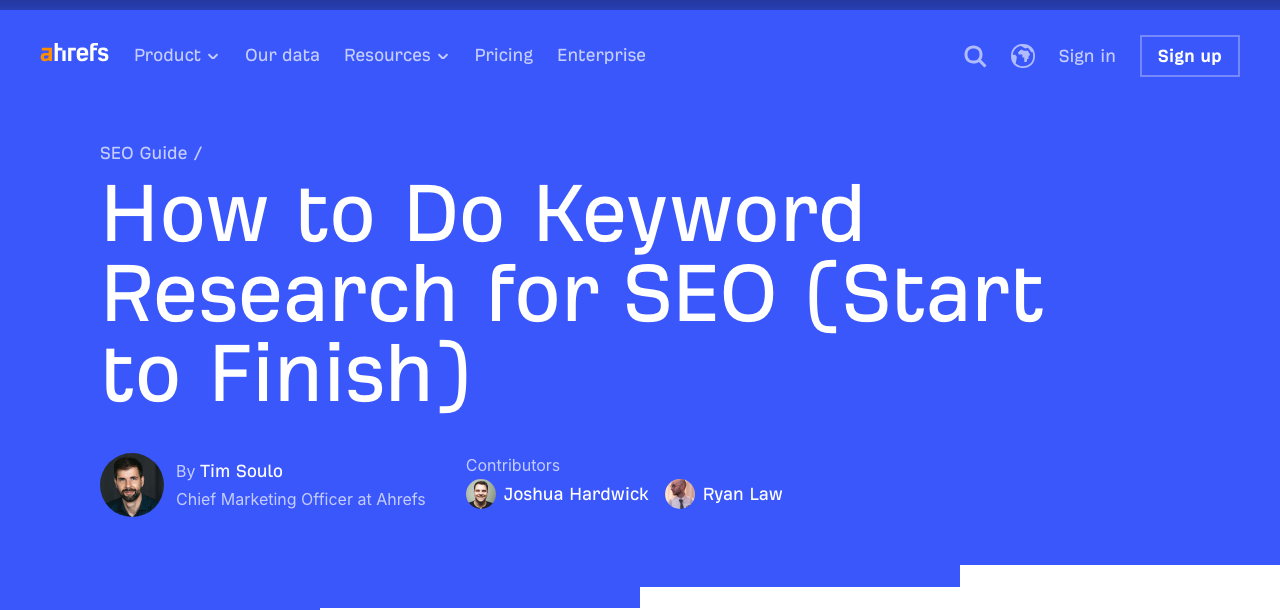
Real example: Ahrefs follows a consistent headline formula across their blog: clear action phrase + specific outcome + qualifier in parentheses. “How to Do Keyword Research for SEO (Start to Finish)” tells you exactly what you will accomplish, for which goal it is relevant, and how complete the coverage is. No vagueness, no clickbait, no unnecessary cleverness. Their most-shared posts all use this pattern because it makes a concrete promise the article then delivers on.
Use storytelling techniques
Stories hold attention in a way that plain information rarely does. The simplest approach: frame your reader as the person who overcomes a challenge using what you teach. Add a specific example, a before-and-after scenario, or a quote from a real experience. A narrative arc, even a short one, keeps readers reading to find out how it resolves.
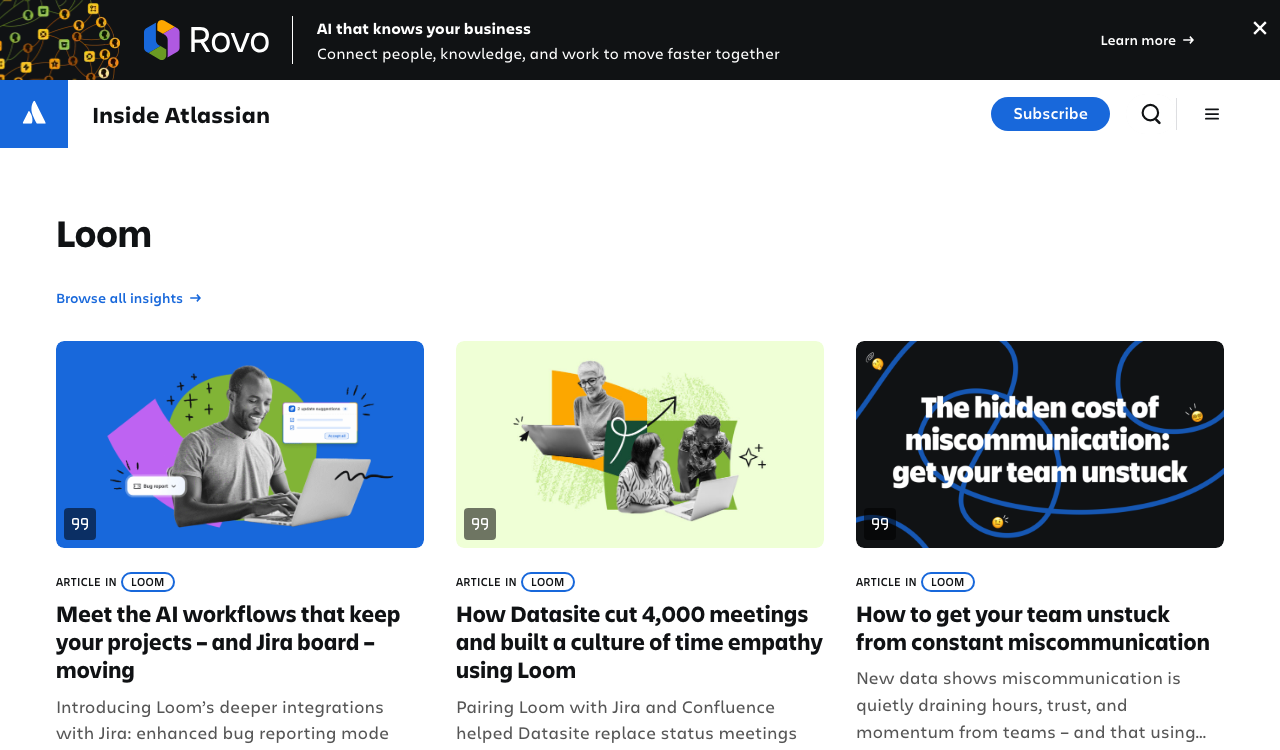
Real example: Loom’s blog uses customer outcome stories as the primary content frame. Titles like “How Datasite cut 4,000 meetings and built a culture of time empathy using Loom” give you three things at once: a specific protagonist (Datasite), a measurable result (4,000 fewer meetings), and an emotional hook (time empathy). You read not to learn an abstract tip but because you want to know what actually happened — and whether it could happen to you.
Use visuals to support your message
Relevant, high-quality visuals break up dense text and reinforce the points you are making. Position images and diagrams near the section they illustrate. Avoid decorative stock photos that add length without adding meaning. A well-placed screenshot or infographic often explains a concept faster than a full paragraph.
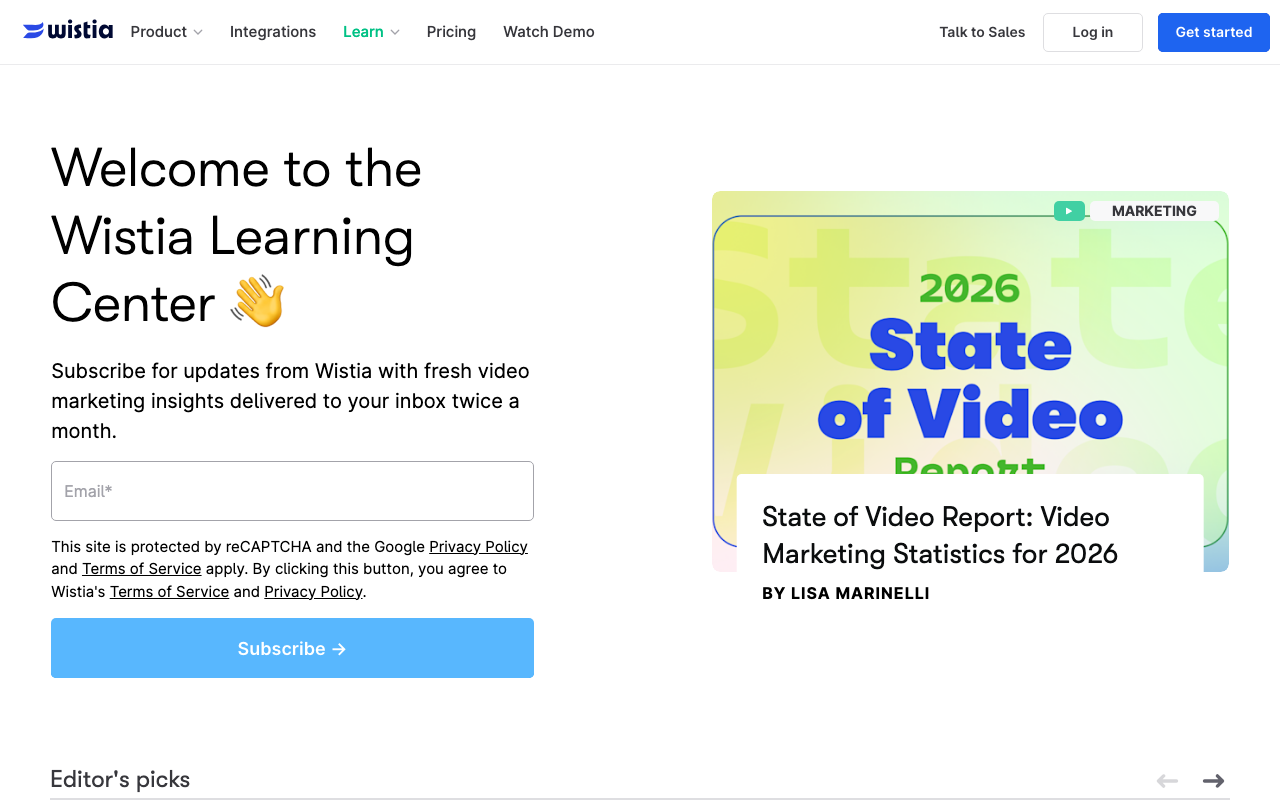
Real example: Wistia built their entire Learning Center around the principle that video should be the content, not an optional supplement. Their “State of Video Report 2026” leads with the video first — the article text exists to support the video findings, not the other way around. Even the blog index leads with video thumbnails, not text headlines. For any brand that can incorporate video, this approach dramatically increases time-on-page and shares.
Write in a conversational tone
Write as if you are explaining something to a knowledgeable friend, not submitting a report. Use short sentences for emphasis. Ask questions. Avoid jargon unless your audience already uses it. The result is content that reads quickly and feels personal — which makes readers more likely to stay and share.
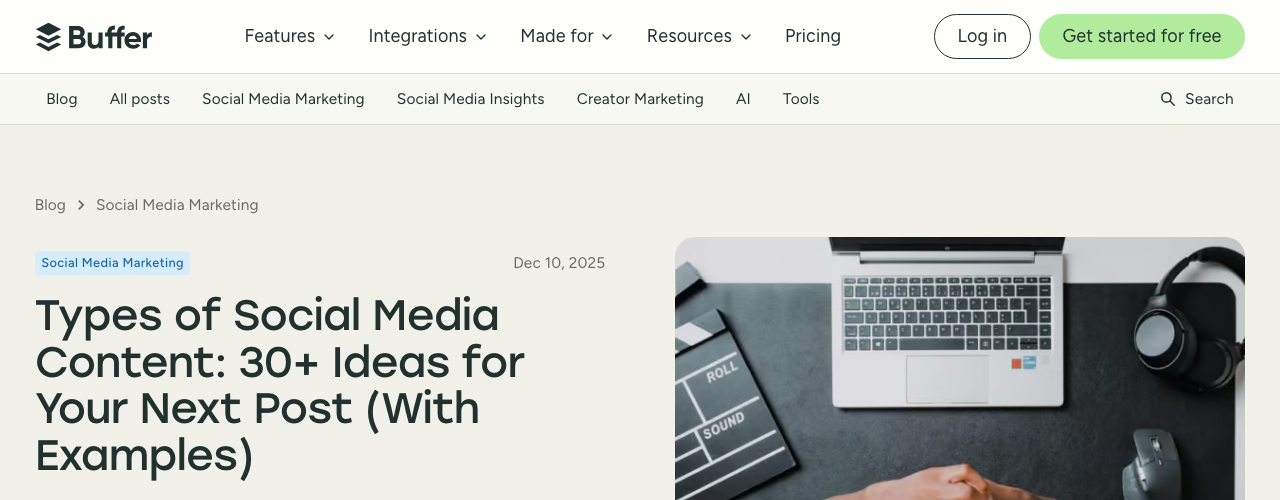
Real example: Buffer writes every article in plain, first-person language that sounds like it came from a person, not a brand. Their article “Types of Social Media Content: 30+ Ideas for Your Next Post (With Examples)” does something subtle: the “(With Examples)” parenthetical is purely conversational. It is what you would say to a friend to make a vague promise concrete — “I am not just going to tell you what to do, I will show you.” Author bylines with job titles like “Senior Content Writer @ Buffer” further reinforce that a real human wrote this.
Structure your content for readability
Long blocks of text discourage reading. Break your content into short paragraphs, use clear subheadings to signal what each section covers, and use bullet lists for series of related items. Readers often scan before they commit to reading in full — a well-structured article makes that scan worthwhile.
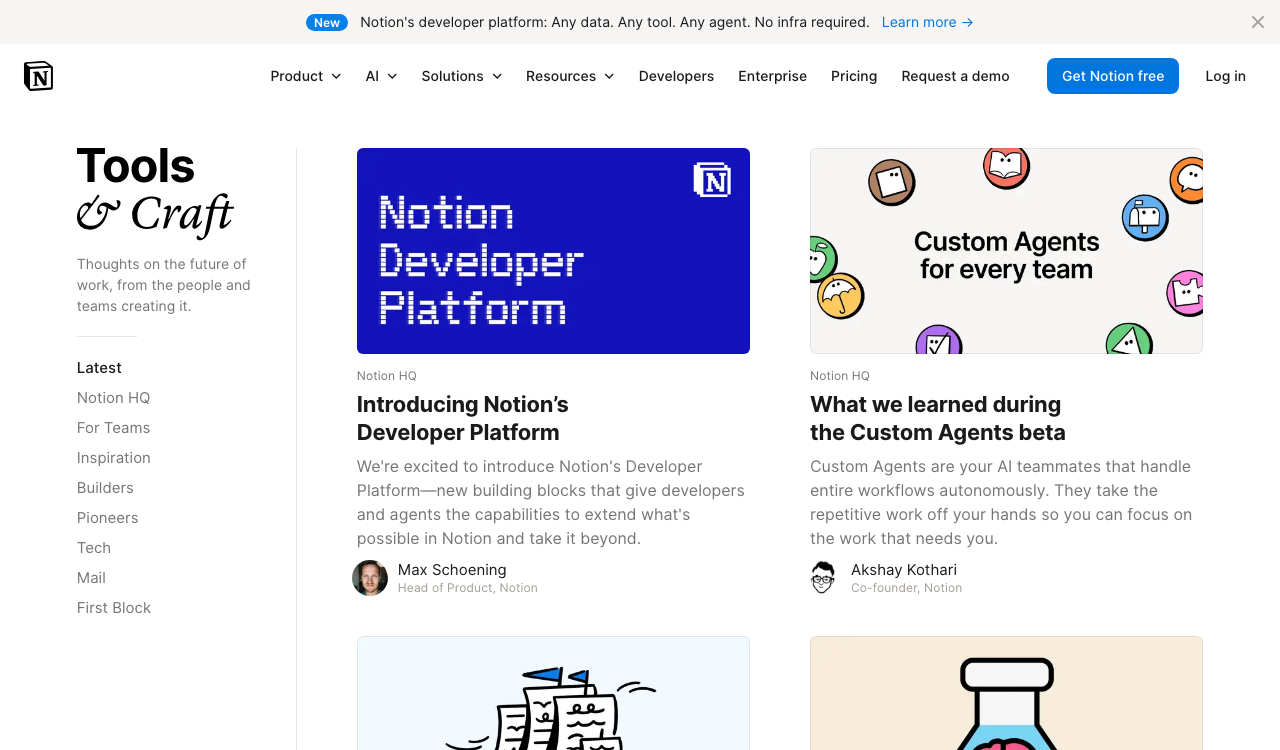
Real example: Notion’s “Tools & Craft” blog uses category navigation (Notion HQ, For Teams, Inspiration, Builders, Pioneers, Tech) that lets readers self-select their context before clicking into any article. Every article card in the index shows a visual, a category tag, a title, and a short preview text. Readers know exactly what they are clicking before they commit. This level of structural care extends into their articles, which use consistent heading hierarchies, clear section transitions, and visual breaks throughout.
Add interactive elements like polls and quizzes
Passive content presents information. Interactive content demands participation. Even a simple poll or quiz shifts a reader from spectator to participant, increasing time-on-page and emotional investment in the outcome.
Real example: HubSpot’s Website Grader (website.grader.com) is embedded across dozens of their blog posts on website performance. Instead of just telling readers to “check your site speed,” the post contains a live tool where you enter your URL and get a personalized score. Typeform uses the same principle differently — their blog posts on survey design embed working Typeform templates directly in the article, so you can try the product while learning about it. BuzzFeed quizzes take it to an extreme: their interactive quiz format achieves completion rates above 90%, compared to typical article scroll depths that often stop at 50%.
Include strong calls to action
Every piece of content should tell readers what to do next. Vague endings waste the engagement you have built. Use direct, specific CTAs: “Download the checklist,” “Leave a comment below,” or “Share this with your team.” Match the CTA to the intent of the article.
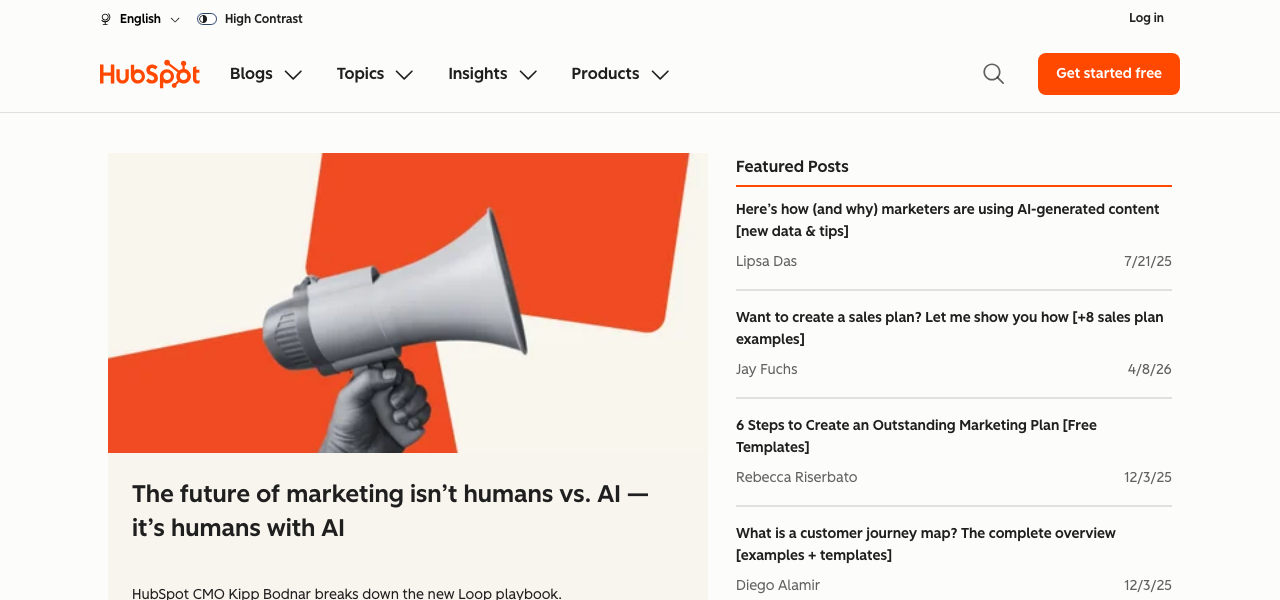
Real example: HubSpot writes CTAs into their article titles. Look at their blog index sidebar: “Want to create a sales plan? Let me show you how [+8 sales plan examples]” or “6 Steps to Create an Outstanding Marketing Plan [Free Templates].” The CTA is inseparable from the content promise. By the time you click, you already know what you are getting and what to do with it. The bracket notation — [Free Templates], [+8 examples] — signals what the reader receives, not just what the article covers.
Use data and statistics to support your points
Specific numbers build credibility faster than general claims. “Companies that blog 11 or more times per month get nearly 3x more traffic than companies that blog 0-4 times per month” is more persuasive than “blogging more leads to more traffic.” When you cite statistics, link to the original source and explain what the number means for your reader.
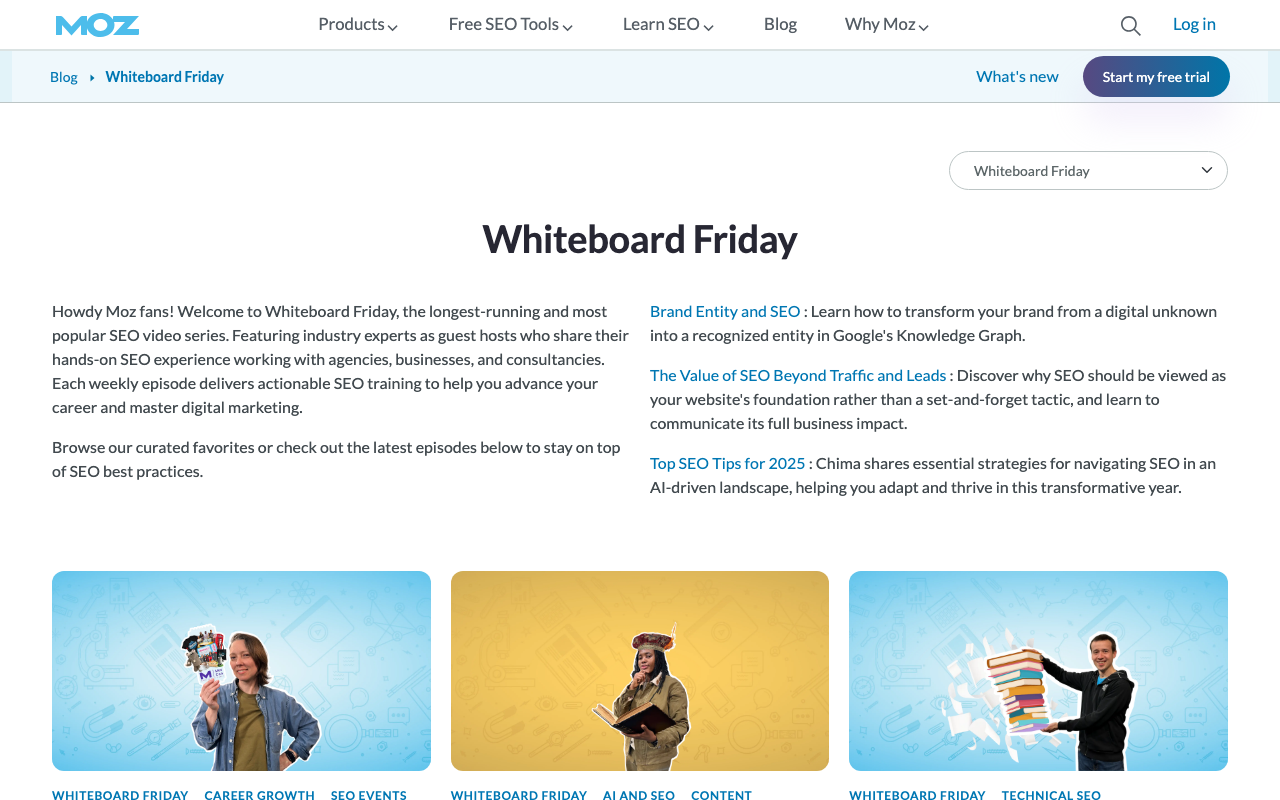
Real example: Moz’s Whiteboard Friday series commits to a simple format: every Friday, a whiteboard diagram makes one SEO concept visual. Each episode is built around a specific framework or data point, explained verbally and drawn by hand. The whiteboard format makes even complex concepts like topical authority or log-file analysis look approachable. Original data, consistent visual language, and a repeating weekly format turned Whiteboard Friday into one of the most-cited content series in the SEO industry.
Edit and proofread before publishing
A draft is not a finished article. Grammatical errors and awkward phrasing reduce reader trust and signal low quality to search engines. After writing, read your article aloud. Sentences that are hard to say out loud are usually hard to read. If possible, have someone unfamiliar with the topic read a section and tell you where they get confused.
Real example: The Hemingway App (hemingwayapp.com) highlights sentences that are “hard to read” or “very hard to read” in yellow and red in real time. Content teams at companies like Shopify and Basecamp use it as a final editing pass before publishing. Every red-highlighted sentence is either split into two or rewritten with simpler words. The goal is not shorter sentences for their own sake — it is clarity, which is what keeps readers on the page.
Be authentic and show personality
Generic content is forgettable. Your specific perspective, your real opinions, and your genuine experiences are what differentiate your content from thousands of articles covering the same topic. Write what you actually think. Share what has worked and what has not. Readers recognize authenticity, and they return to sources they trust.
Real example: 37signals publishes their company values as a numbered list of short, opinionated chapters: “00. Start here / 01. An obligation to independence / 02. Work isn’t war / 03. Small teams / 04. Profit motive.” No hedging, no corporate language, no “it depends.” Each chapter takes a clear position on how they believe businesses should work. You know within seconds whether you agree or disagree — and that polarizing clarity is exactly what makes it memorable and widely cited. People share content that takes a real position.

Publish consistently to build audience trust
A single strong article matters less than a sustained publishing cadence. Consistent publishing trains your audience to expect new content from you, driving repeat visits. Set a schedule you can actually maintain. One well-researched post per week beats three rushed ones followed by a long silence.
Real example: Moz has run their Whiteboard Friday series every single Friday since 2007. Not occasionally. Every Friday. That cadence trained a generation of SEO professionals to expect a new episode each week — and many still block time for it. The consistency created ritual, and ritual creates loyal audiences. When you publish on a predictable schedule, readers start looking for your content instead of stumbling across it.
Use emotions to strengthen your message
Content that triggers a strong emotional reaction — curiosity, empathy, excitement, or even mild frustration — is more likely to be shared and remembered. Identify the emotional hook most relevant to your reader’s situation and build toward it. Avoid manipulation. The goal is honest emotional resonance, not manufactured urgency.
Real example: HubSpot’s article “The future of marketing isn’t humans vs. AI — it’s humans with AI” plays on fear (being replaced by AI) before pivoting to hope (you and AI working together). Buffer regularly publishes transparency posts — revenue numbers, team salaries, company struggles — because honesty triggers trust and empathy in a way that polished brand content rarely does. Both brands know that the emotion which moves readers to share is not just information: it is feeling understood by someone who gets your real situation.
How to Measure Your Content’s Engagement
Writing engaging content is only half the job. Tracking how readers respond closes the feedback loop and shows you what to improve. Watch these six metrics:
- Time on page: How long visitors spend reading. For in-depth articles, a two-minute average or higher suggests the content holds attention.
- Scroll depth: How far down the page visitors get. If most readers leave at 30% scroll depth, something in the first section is causing drop-off.
- Social shares: Content that gets shared resonated strongly enough for someone to recommend it to their network.
- Comments: Direct feedback from readers. Even negative comments reveal what your audience cares about and where your content missed the mark.
- Bounce rate: The percentage of single-page visits. A high bounce rate often means the headline promised something the content did not deliver.
- Click-through rate (CTR) on CTAs: Whether readers take the next action you intended. Low CTR on a CTA means either the action is wrong or it needs a stronger setup.
Google Analytics and Hotjar are the standard tools for tracking most of these metrics. Social platform analytics cover shares and comments. Review your data at least monthly and use the patterns to guide your next content decisions — the best content teams treat every published article as a data point, not a finished project.
